Easy Japanese Street Food Recipes
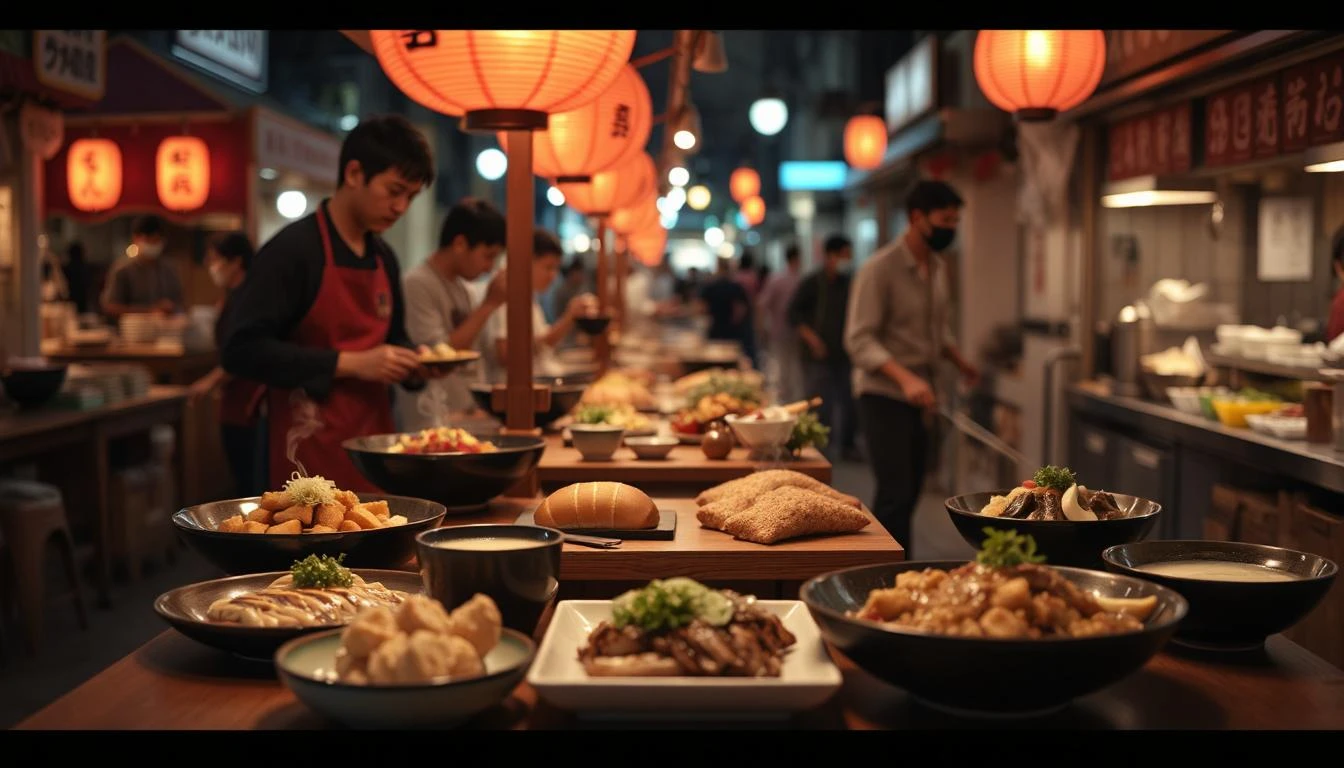
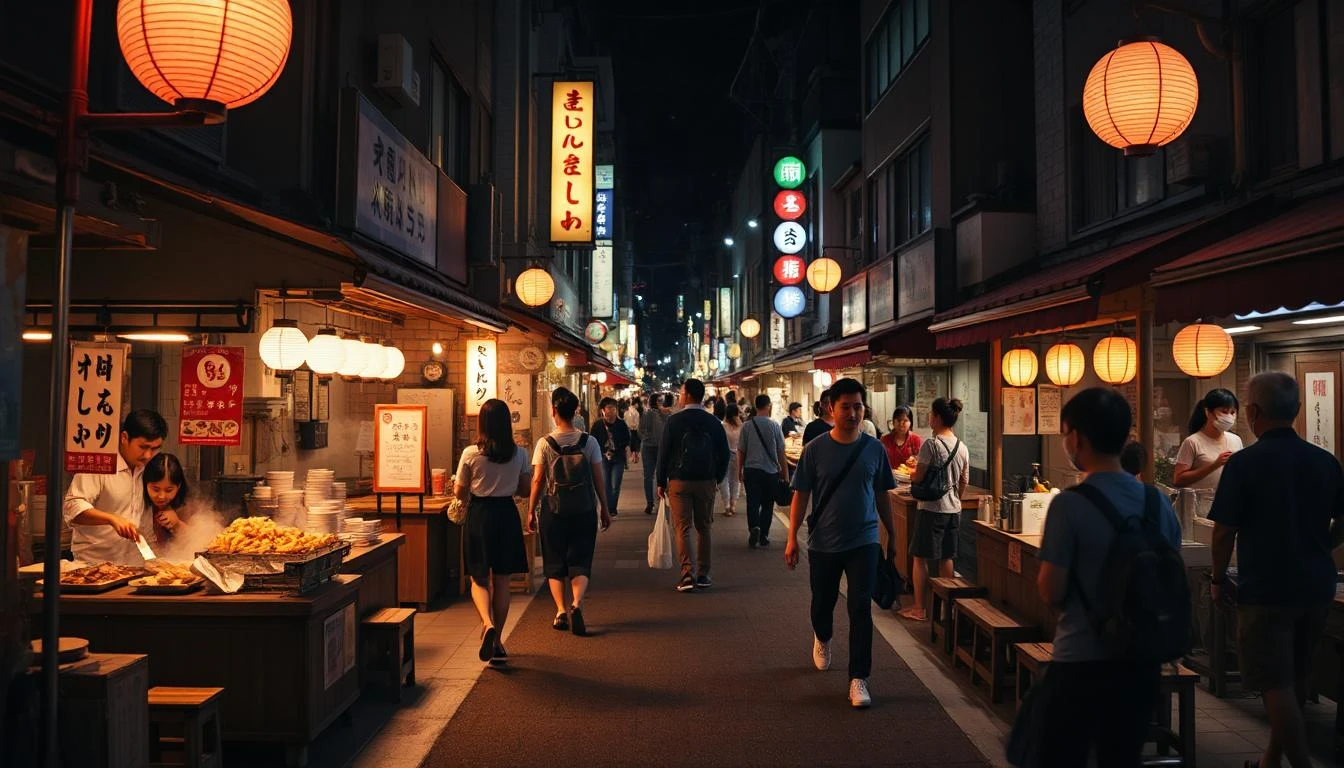
Japanese street food has a unique way of turning simple ingredients into unforgettable comfort meals. The sizzling sound of batter hitting a hot pan, the aroma of savory sauces drifting through crowded food alleys, and the visual appeal of perfectly layered toppings create an experience that feels both exciting and comforting at the same time. From bustling Osaka night markets to modern home kitchens around the world, these dishes continue attracting food lovers because they are approachable, flavorful, and surprisingly fun to prepare.
If you have been searching for easy japanese street food recipes, you are not alone. More people are now recreating authentic Japanese snacks at home because these dishes combine bold umami flavors with beginner-friendly cooking methods. According to renowned Japanese chef Masaharu Morimoto, “authentic Japanese cooking is less about complexity and more about creating harmony between ingredients, texture, and presentation.” That philosophy is exactly why Japanese street food remains globally popular even today.
Basics of Japanese Street Food Cooking
Japanese street food may look sophisticated at first glance, but the foundation is actually simple and practical. Once you understand the essential ingredients and cooking methods, preparing these iconic dishes becomes much easier and more enjoyable. The beauty of Japanese cooking lies in how small details can completely transform flavor and texture.
Many beginners also discover that making homemade japanese snacks at home feels more rewarding than expected because the recipes are adaptable, affordable, and suitable for casual cooking sessions with family or friends. Even a small kitchen can become the perfect place to recreate authentic Japanese street food vibes.
Essential Japanese cooking ingredients
Every great Japanese street food recipe starts with a few key pantry staples. These ingredients are responsible for the balanced flavor profile that makes Japanese cuisine instantly recognizable.
Some essential ingredients include:
- Soy sauce
- Mirin
- Dashi stock
- Japanese mayonnaise
- Bonito flakes
- Nori seaweed
- Pickled ginger
The combination of sweet, salty, smoky, and umami flavors creates the signature taste found in many popular Japanese dishes. Fresh ingredients also play a major role because Japanese cooking focuses heavily on natural flavor instead of overpowering seasoning.
Chef Nobu Matsuhisa once explained that “Japanese cuisine respects the purity of ingredients while enhancing them with careful balance rather than excessive seasoning.” That approach is one reason Japanese street food feels both light and deeply satisfying at the same time.
Simple kitchen tools for beginners
One of the best things about Japanese street food is that you do not need expensive equipment to start cooking. A few practical kitchen tools are enough for most beginner recipes.
Useful tools include:
- Non-stick frying pan
- Takoyaki pan
- Flat spatula
- Sharp knife
- Mixing bowls
- Sauce brush
A takoyaki pan can instantly expand your cooking possibilities because it allows you to recreate authentic crispy snack balls with different fillings and textures. Many modern home cooks even experiment with cheese, seafood, or spicy fillings for creative variations.
Popular cooking techniques
Japanese street food relies heavily on texture contrast. Crispy exteriors combined with soft interiors create the addictive quality people love so much.
Some popular cooking techniques include:
- Pan-frying
- Stir-frying
- Griddling
- Sauce glazing
- Light batter cooking
Temperature control is extremely important. Cooking too slowly often prevents proper caramelization and reduces the depth of flavor. High heat, on the other hand, helps create the smoky aroma commonly associated with authentic Japanese street food stalls.
Easy Japanese Street Food Recipes to Try
Now comes the exciting part. Once you understand the basics, you can start preparing some of the most famous Japanese street food recipes directly in your own kitchen. These dishes are beginner-friendly yet still deliver authentic flavor and satisfying texture.
The reason these recipes continue trending globally is because they balance simplicity with visual appeal. They feel casual enough for everyday meals while still creating a memorable dining experience.
Homemade takoyaki recipe
Takoyaki is one of the most iconic street foods from Osaka. These crispy golden balls are usually filled with octopus, green onions, and pickled ginger before being topped with savory sauce and Japanese mayonnaise.
To prepare homemade takoyaki:
- Mix flour, eggs, and dashi stock into a smooth batter
- Heat the takoyaki pan thoroughly
- Pour batter into each mold
- Add fillings carefully
- Rotate continuously until golden brown
The secret to perfect takoyaki is patience while turning the batter. Slow rotation helps create a crisp outer layer while keeping the inside creamy and soft.
Simple yakisoba preparation
Yakisoba is one of the easiest Japanese street food dishes for beginners because it uses familiar stir-fry techniques while delivering rich savory flavor.
Main ingredients include:
- Yakisoba noodles
- Cabbage
- Carrots
- Protein of choice
- Yakisoba sauce
Slightly charring the noodles creates a smoky taste that makes the dish feel more authentic. Street vendors often cook yakisoba on large iron griddles specifically to achieve this signature flavor. The flexibility of yakisoba is another reason why people love it. You can easily customize the recipe using chicken, beef, seafood, or vegetarian alternatives.
Quick okonomiyaki cooking guide
Okonomiyaki is often described as a Japanese savory pancake, but it offers far more depth than a typical pancake recipe. The dish combines cabbage, batter, protein, and flavorful toppings into one satisfying meal.
Basic ingredients include:
- Flour
- Eggs
- Dashi stock
- Shredded cabbage
After cooking, okonomiyaki is usually topped with savory sauce, Japanese mayonnaise, bonito flakes, and seaweed powder. Its customizable nature makes it ideal for home cooking because everyone can adjust toppings and fillings based on personal taste preferences.
Tips for Better Japanese Cooking Results
Cooking Japanese street food becomes much more enjoyable when you understand the small details that improve texture, flavor, and presentation. These subtle adjustments often separate average results from dishes that feel truly authentic.
The good news is that most improvements come from simple habits rather than advanced culinary techniques. Once you become more attentive to balance and timing, your cooking naturally starts tasting better.
Balancing authentic Japanese flavors
Japanese cuisine focuses heavily on balance rather than intensity. Sweetness, saltiness, acidity, and umami should complement each other smoothly.
A useful approach is tasting continuously while cooking. Even small seasoning adjustments can dramatically improve the final result. Using excessive soy sauce is a common mistake because it can overpower lighter flavors instead of enhancing them naturally.
Common mistakes to avoid
Many beginner mistakes are surprisingly easy to fix once you recognize them early.
Common mistakes include:
- Overmixing batter
- Cooking on low heat
- Overusing sauce
- Ignoring ingredient freshness
- Overcrowding the pan
Proper spacing during cooking allows ingredients to caramelize correctly and develop the crispy texture associated with authentic Japanese street food.
Serving and presentation ideas
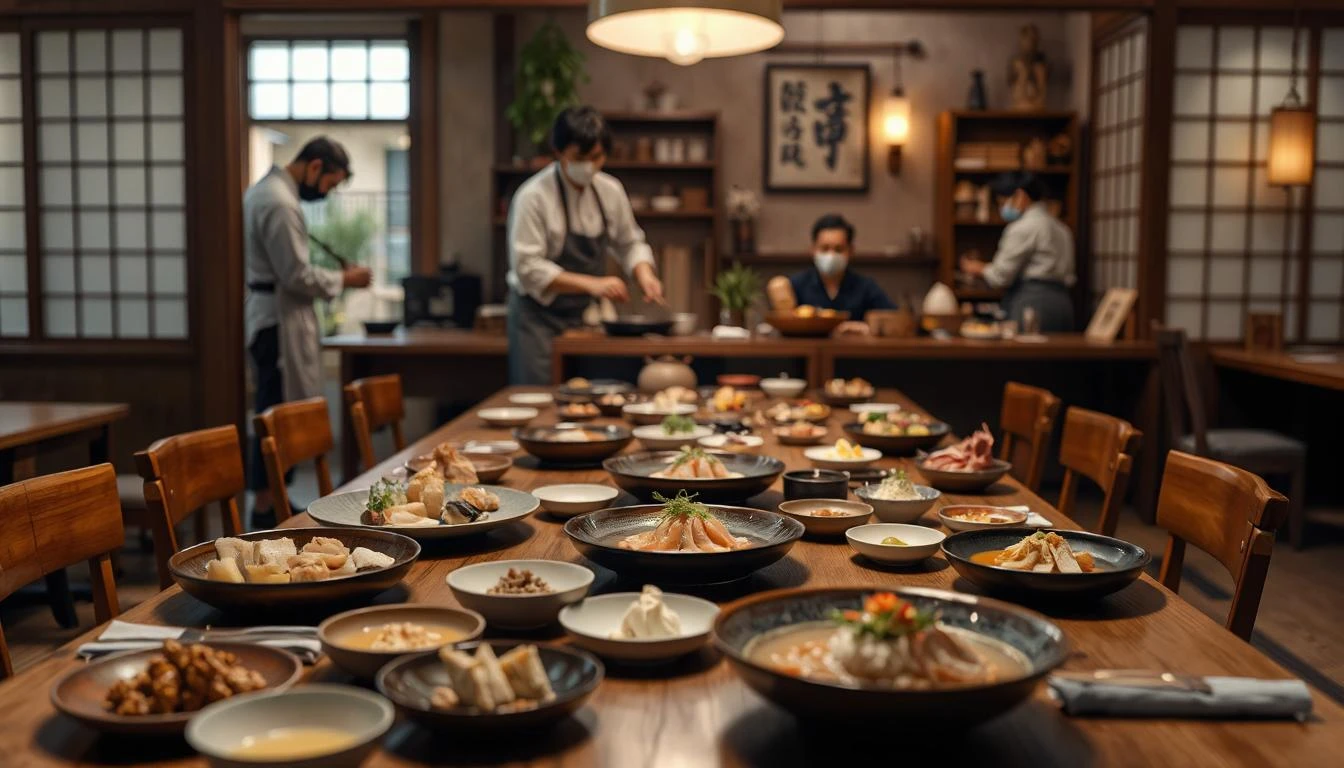
Presentation plays an important role in Japanese cuisine because visual appeal enhances the entire dining experience.
Simple presentation ideas include:
- Drizzling sauces neatly
- Using wooden serving plates
- Adding sesame seeds or green onions
- Serving food while still hot
Even small visual details can make homemade Japanese dishes feel more immersive and restaurant-quality.
Create Delicious Japanese Street Food At Home
Japanese street food is not just about satisfying hunger. It creates an atmosphere, a sensory experience, and a deeper appreciation for how simple ingredients can become something unforgettable. Whether you are making crispy takoyaki, smoky yakisoba, or savory okonomiyaki, each dish introduces a piece of Japanese culinary culture into your everyday cooking routine.
The growing popularity of Japanese comfort food proves that people everywhere are looking for meals that feel both authentic and approachable. Once you understand the basics of flavor balance, texture, and presentation, recreating these dishes becomes far less intimidating than many beginners expect. In many ways, Japanese street food teaches that great cooking is often about precision, patience, and enjoying the process itself.